
The Great Migration: Birds of the San Luis Valley
Updated: Mar 23

Each spring and fall, the skies above the San Luis Valley come alive with one of North America’s great natural spectacles. Thousands of migratory birds pause here on their journeys between wintering grounds in the south and breeding territories farther north. For a few remarkable weeks each year, wetlands, fields, and open landscapes across the valley fill with wings, sound, and movement.
The San Luis Valley sits along an important migratory corridor in the Rocky Mountain region. Its mix of wetlands, agricultural fields, and wide open landscapes provides critical resting and feeding habitat for birds traveling thousands of miles. For birdwatchers and nature lovers, migration season offers a chance to witness wildlife on an extraordinary scale.
The Valley’s Most Famous Visitors: Sandhill Cranes
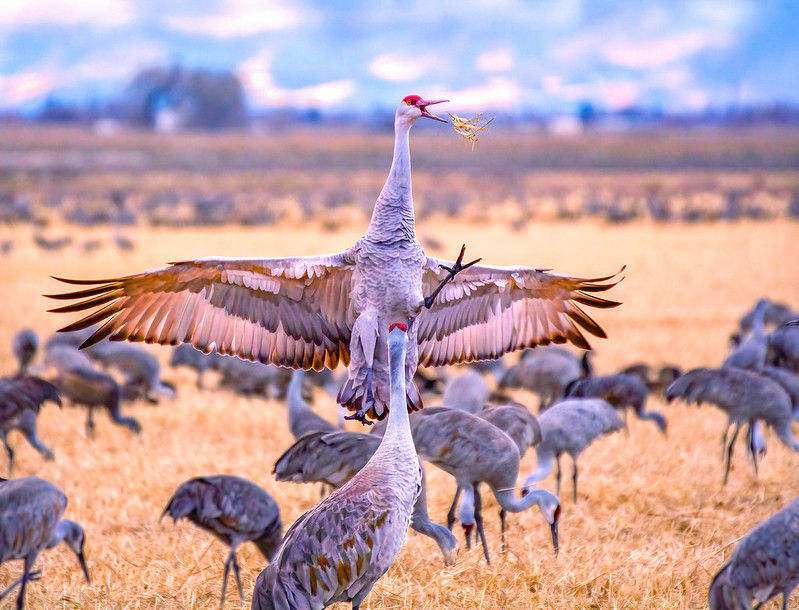
Among the most well known migrants are the sandhill cranes. Each spring, thousands arrive from wintering grounds in New Mexico, Arizona, and northern Mexico as they travel toward summer breeding areas in the northern Rockies.
The first cranes typically appear in late February. By early March their numbers can exceed twenty thousand birds before most depart by early April.
During the day cranes feed in agricultural fields, searching for grain and insects. At night they gather in shallow wetlands where water provides protection from predators. Some of the best places to observe them include Monte Vista National Wildlife Refuge, the Blanca Wetlands, and Alamosa National Wildlife Refuge.
At sunrise, thousands of cranes lift off from their roosts, their rolling, trumpet-like calls echoing across the valley. The nearby town of Monte Vista celebrates this annual migration each March with the Monte Vista Crane Festival, which draws visitors from across the country.
Spring’s First Arrivals
While cranes attract the most attention, many locals look for smaller birds to announce the arrival of spring.

One of the most anticipated is the Rocky Mountain bluebird. When flashes of blue begin appearing on fence posts and pasture edges in March, many valley residents consider it the true beginning of the season.
Around the same time, the call of the red-winged blackbird returns to wetlands and irrigation ditches. Males perch on cattails, their bright red shoulder patches visible as they sing to defend their territory.

Across the valley’s grasslands, the cheerful song of the western meadowlark carries across open fields and pastures. Later in the season, usually in late April and May, hummingbirds arrive as warmer temperatures bring blooming flowers to gardens and foothill landscapes.
Together, these birds signal the steady return of spring throughout the San Luis Valley.
Wetlands Alive with Birds

The valley’s wetlands also support a wide range of migrating birds. Snow geese and Canada geese pass through during spring and fall, while ducks such as mallards, northern pintails, and American wigeon stop to feed and rest.
Shallow wetlands also attract shorebirds like American avocets and black-necked stilts, which search mudflats for insects and small aquatic animals.

Where large numbers of birds gather, predators follow. Northern harriers, red-tailed hawks, and even bald or golden eagles may be seen hunting across the valley’s open landscapes.
Experiencing the Migration
For visitors hoping to witness this seasonal phenomenon, early morning and evening are often the most rewarding times to be outdoors. At sunrise birds leave their roosts in large flocks, while evening brings the spectacle of birds returning to wetlands for the night.
The Monte Vista and Alamosa National Wildlife Refuges, along with the Blanca Wetlands, offer excellent viewing opportunities. In Saguache County, the Russell Lakes State Wildlife Area is another great bird watching site.
For a few brief weeks each year, the San Luis Valley becomes a gathering place for birds traveling ancient routes across the continent. Watching cranes rise from the wetlands or hearing meadowlarks sing across the fields is a powerful reminder that the valley remains an essential stop along one of nature’s great migrations.
Photo Credits: Images courtesy of Great Sand Dunes National Park and Preserve.


Comments